



Markey's Senate Odds Fall to 71% as Poll Lead Shrinks to Six Points
Markey led Moulton by 13 points in April; that margin is now six. Nearly a quarter of Democratic primary voters remain undecided.
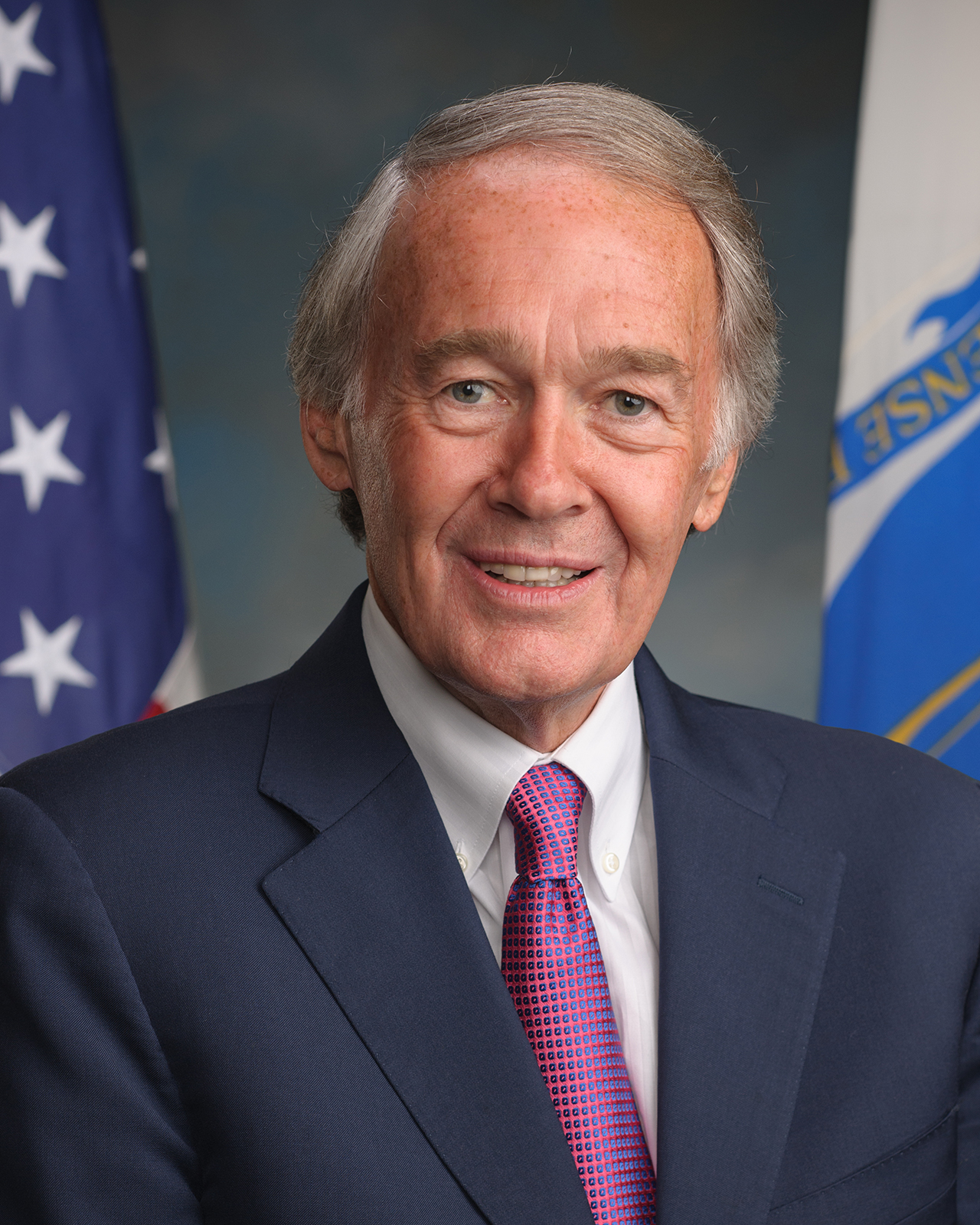
Ed Markey has spent 50 years in Washington, holds endorsements from Bernie Sanders and Ayanna Pressley, and just watched his lead over Seth Moulton shrink to single digits in a June 2026 poll that showed the 79-year-old incumbent ahead by just six points, 41% to 35%. Two months earlier, that margin was 13 points. Nearly one in four Democratic primary voters told pollsters they remain undecided, even after the party's progressive infrastructure rallied behind the incumbent.
Prediction markets have noticed. On Kalshi and Predictit, Markey's implied probability of winning the September 1 Democratic nomination has fallen from 81% to 71% in three days. Kalshi prices him at 68%; Predictit at 74%. The six-point platform spread suggests continued disagreement about how much further this slide runs. Three days ago, Markey looked like a lock. Now he looks like a frontrunner with a structural problem.
Ed Markey's Senate Nomination Odds Drop 10 Percentage Points in Three Days
A 10-percentage-point move in 72 hours is not normal for an incumbent senator carrying two of the most prominent progressive endorsements in Massachusetts politics. Sanders backed Markey on June 29, framing the race as a fight for the progressive movement. Pressley endorsed in March, calling Markey a partner who "knows that progress doesn't happen by accident." Together, these endorsements were supposed to consolidate the left flank and choke off Moulton's oxygen.
The market's repricing suggests those endorsements are being discounted. No single catalyst from the last 72 hours has been publicly confirmed as the trigger, but the timing aligns with a post-debate reassessment following the July 8 clash in Chicopee and the continued absorption of that damaging June poll. When the market bottomed at 69% before recovering slightly to 71%, it signaled that traders are still searching for an equilibrium, not that the selling pressure has fully exhausted itself.
The Three Catalysts Cracking Markey's Lead: A Tighter Poll, a Debate Frame, and a Dangerous Undecided Bloc
Start with the numbers. In April, Markey led 46%-33%, a comfortable 13-percentage-point cushion. By June, that lead had compressed to six points, 41%-35%. His raw vote share dropped five points while Moulton gained two. But the most important number is 23%: the share of Democratic primary voters who told pollsters they haven't made up their minds, up from 15% two months earlier.
That undecided surge is an incumbency alarm. Markey has been a known quantity in Massachusetts politics for half a century. Voters who remain uncommitted this late are not waiting for more information about Ed Markey; they're waiting for a reason to leave him. Primary race patterns consistently show that late-breaking undecideds favor the challenger over the incumbent. If even 60% of that 23% bloc breaks for Moulton, the race flips.
The second catalyst is the framing that emerged from the July 8 debate in Chicopee. Moulton, 47, hammered a generational argument that went beyond age: "We've got a second term of Donald Trump and we need new plans. We need new leadership." He explicitly rejected the idea that this was about personal criticism, instead casting Markey's tenure as evidence that the existing Democratic playbook failed to prevent Trump's return. Markey countered by calling himself "the most energized I've ever been," but that defense inherently concedes the terrain. When you're arguing you still have energy, you've already accepted the challenger's frame.
The third factor is how these two dynamics reinforce each other. A tighter poll validates Moulton's electability argument with undecided voters. The generational frame gives those undecideds a reason to move. And every percentage point of undecided growth makes the next poll more volatile, which in turn creates more market uncertainty.
Seth Moulton's Age-and-Change Argument: Why It's Working Better Than Expected Against Markey
Prediction-market view
Resolved Sep 2, 2026Final prices, venue by venue
This market settled on September 2, 2026, so nothing below is tradeable. These are the last prices each venue published before settlement, not live quotes.
Alexander Rikleen
Final YES price across 1 venues
Ayanna Pressley
Final YES price across 1 venues
Current new-user offer · Kalshi
Get a $35 trading bonusCode PRED35
New users only. Eligibility restrictions and terms apply.
Moulton is not running as an ideological alternative. He and Markey agree on most policy questions, from climate to healthcare. Instead, Moulton is running a pure "time for a change" campaign that borrows from the same playbook that has unseated aging incumbents in primaries across both parties. The difference here is specificity: Moulton, a Marine veteran with four tours in Iraq, can credibly claim executive temperament and real-world experience outside the Capitol. His decade in the House gives him enough legislative credibility to avoid the "outsider who doesn't know how Washington works" trap.
What makes the argument land harder than expected is context. Markey turns 80 this week. He has served in Congress since 1976, the year Moulton was born. In a national environment where Democratic voters are increasingly anxious about gerontocracy after the Biden precedent, Moulton doesn't need to convince voters that age matters; he just needs to remind them it does. The debate format, where Markey's responses were described by WBUR as leaning heavily on biographical credentials from the 1970s, gave Moulton exactly the visual contrast he wanted.
The Case for Markey: Why 71% Might Still Be Too Low
The strongest bull case for Markey is structural. Massachusetts Democratic primaries reward organization, and Markey's endorsement coalition represents real voter-contact infrastructure. Sanders brings a small-dollar fundraising network and volunteer base. Pressley brings credibility with Black voters in Boston, a critical primary constituency. Boston Mayor Michelle Wu, who endorsed Markey in late February, adds municipal machine support. Moulton, a congressman from the North Shore, has never demonstrated he can turn statewide organizational muscle.
There's also the policy gap that doesn't exist. Because Moulton can't differentiate on issues, he's entirely reliant on the age-and-change frame. If any external event reshuffles voter priorities toward specific policy fights, say a major climate bill, an immigration crisis, or a Supreme Court ruling, Markey's decades of legislative positioning become assets again. Voters who care about the Green New Deal don't care who's younger; they care who authored it.
Finally, 71% still implies Markey wins roughly seven times out of ten. The market isn't saying he's likely to lose. It's saying the probability of an upset has roughly doubled from one-in-five to roughly three-in-ten. For a challenger with no statewide electoral history, that's still a steep hill.
What Moves the Line From Here
The September 1 primary is 48 days away. Two dynamics will determine whether Markey stabilizes or continues sliding. First, watch the next independent poll. If Markey's raw vote share has fallen below 40%, the undecided-break math becomes genuinely threatening. Second, watch for any institutional Democratic defections. So far, the party's progressive infrastructure has held firm behind Markey. If a union, a major elected official, or a prominent activist group breaks for Moulton, it would validate the challenger narrative and likely push Markey's odds below 65%.
The Kalshi-Predictit spread of six percentage points (68% vs. 74%) tells its own story: the two platforms' trader bases disagree on how much further this can fall. Kalshi's lower price suggests its participants see more downside risk, possibly reflecting faster incorporation of the debate and polling data. If that spread narrows toward Kalshi's number, it signals further erosion. If it narrows toward Predictit's, the correction may be overextended.
Markey is still the favorite. But "favorite with a cracking firewall" is a fundamentally different market position than "overwhelming incumbent," and the 10-percentage-point move in three days reflects that recalibration in real time. The endorsements from Sanders and Pressley were supposed to end this race early. Instead, they may have simply raised the stakes for what happens when they aren't enough.
Join our Discord for breaking news alerts, driven by real-time movements in prediction markets.
The story so far: Massachusetts Democratic Senate nominee?
8 updates · Jul 2 – Aug 22
Free Trading Tools
View allCompare fees across Kalshi, Polymarket & PredictIt.
Find fair probabilities with the overround removed.
See if a trade has positive EV before you enter.
Convert American, decimal & implied probability.
Combined odds and payouts for multi-leg bets.
Your real take-home after fees and taxes.